Source Waterproof Ice Silk Comforter for Hotel, Home, and Travel
Find 30 waterproof ice silk comforter options tailored for hotel, home, and travel use. Compare features like cooling fabric, lightweight design, and machine washable care across various sizes and materials to select the best fit for your sourcing needs.
Key considerations
Products List


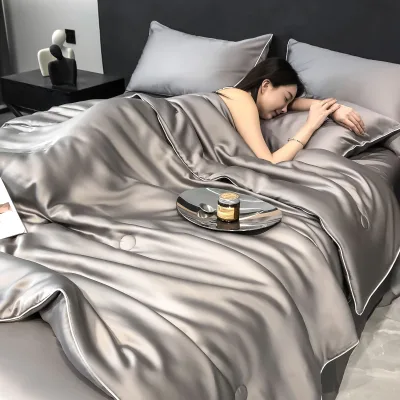


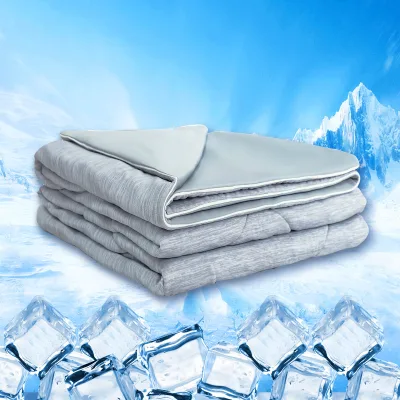




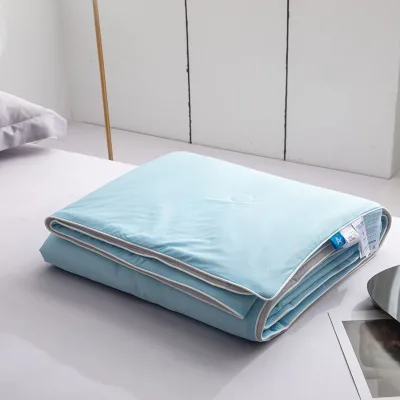


Comprehensive Sourcing Guide
Waterproof Ice Silk Comforter Sourcing Guide
Sourcing a waterproof ice silk comforter requires a nuanced understanding of material science and supply chain transparency, particularly when balancing moisture management with liquid protection. The term "ice silk" is often used in marketing to describe a specific type of synthetic fabric blend, typically involving polyester or modified polyester fibers, designed to feel cool to the touch. Buyers must distinguish between genuine silk blends and synthetic alternatives, as the latter are more commonly associated with waterproof coatings or laminates. The core challenge lies in verifying that the "waterproof" claim does not compromise the breathability that defines the "ice silk" experience, ensuring the final product meets both comfort and functional expectations for diverse environments.
This guide provides a structured approach to evaluating suppliers and products in this category, focusing on technical verification, compliance, and commercial due diligence. By adhering to evidence-based procurement practices, buyers can mitigate risks associated with misleading material descriptions or unverified performance claims. The following sections outline the critical steps for validating product specifications, assessing supplier capabilities, and establishing long-term quality assurance protocols, ensuring that the sourced comforters align with brand standards and end-user requirements.
Product Scope and Observed Listing Signals
The observed market data indicates a wide variance in product attributes, with prices ranging from $2.55 to $150.99 USD and minimum order quantities (MOQs) spanning from 1 to 1000 units. This broad spectrum suggests a fragmented supplier base, ranging from small-scale traders to large manufacturing factories. Buyers should note that the presence of "Customization" as a standard attribute implies that many suppliers offer OEM/ODM services, allowing for tailored designs, packaging, and branding. However, the significant price disparity often correlates with material quality, manufacturing complexity, and the extent of customization offered, necessitating careful comparison of specifications rather than price alone.
Observed listings frequently highlight features such as "Cooling," "Lightweight," and "Portable," which align with the typical use cases for ice silk products in home, hotel, hospital, and travel settings. Some products are explicitly labeled as "Chemical Fibre Blanket" or "Type: Chemical Fibre Blanket," confirming that many "ice silk" items are synthetic rather than natural silk. Additionally, attributes like "Waterproof" and "Wearable" suggest versatility, potentially appealing to consumers seeking multi-functional bedding or travel accessories. Buyers must verify these claims against actual product samples, as marketing terms can sometimes be loosely applied to products that only offer limited water resistance rather than full waterproofing.
Technical Specifications to Verify
Material composition is the most critical technical specification to verify, as "ice silk" is not a standardized industry term but a marketing descriptor. Buyers should request detailed material breakdowns, looking for specific fiber types such as polyester, cotton, or specialized cooling fabrics like "Arc-Chill Cool Fabric," which has been observed in some listings. The filling material also varies, with options including mulberry silk, spray-bonded cotton, or other synthetic fills. Understanding the exact ratio of materials is essential for predicting the product's thermal regulation, durability, and care requirements, as synthetic blends may offer better moisture-wicking properties while natural fills provide superior breathability.
Construction details, including knitting methods and surface treatments, significantly impact performance. Observed specifications mention "Stitch Knitting" and "Machine Weaved" techniques, which influence the fabric's drape, elasticity, and cooling effect. Buyers should also verify the waterproofing mechanism, whether it is a coating, laminate, or inherent fiber property, as this affects breathability and long-term durability. Additionally, size standards such as "King," "Queen," "Twin," or specific dimensions like "104"L x 90"W" and "68x82inch" must be confirmed to ensure compatibility with existing bedding systems or market expectations. Packaging details, such as PVC, PE, or woven handbags, should also be assessed for their impact on product protection and sustainability goals.
Compliance and Safety Documentation
Safety and compliance documentation are paramount when sourcing textiles, particularly those intended for direct skin contact. Buyers should request certificates of conformity and test reports from accredited laboratories to verify that the products meet relevant safety standards for chemical content, flammability, and physical safety. While some listings mention "BSCI: Passed," indicating social compliance, this does not substitute for product-specific safety certifications. Buyers must ensure that the materials used, including dyes, finishes, and waterproofing agents, are free from harmful substances such as azo dyes, formaldehyde, or heavy metals, which can pose health risks to end-users.
Environmental and sustainability certifications, such as OEKO-TEX, although noted as low-confidence in some contexts, remain valuable indicators of responsible manufacturing. Buyers should inquire about the specific standards applied and request valid certificates to verify claims. Additionally, care instructions, such as "Machine Wash," should be validated to ensure that the product maintains its integrity and safety features after repeated laundering. Understanding the full lifecycle impact of the product, including recyclability and end-of-life disposal, can also inform procurement decisions, particularly for brands with strong sustainability commitments.
Cost Drivers and Commercial Terms
Several factors influence the final cost of waterproof ice silk comforters, including material quality, customization complexity, and order volume. Higher-grade synthetic fibers or natural silk blends will naturally command higher prices, while extensive customization, such as unique packaging or branding, can add to the unit cost. Buyers should analyze the cost structure in relation to the observed price range, recognizing that lower prices may indicate thinner materials, simpler constructions, or lower quality control standards. It is essential to request detailed quotations that break down material, labor, and overhead costs to ensure transparency and fair pricing.
Commercial terms, including payment methods, shipping arrangements, and lead times, also play a significant role in the total cost of ownership. Observed data suggests that sample lead times can be as short as 3-5 days, which is beneficial for rapid prototyping and evaluation. However, bulk production lead times may vary significantly based on order size and supplier capacity. Buyers should negotiate clear terms regarding quality acceptance, return policies, and liability for defects to mitigate financial risks. Additionally, understanding the MOQ requirements is crucial for inventory management, as high MOQs may tie up capital, while low MOQs may result in higher per-unit costs.
Supplier Qualification and Quality Control
Supplier qualification is a critical step in ensuring consistent product quality and reliable delivery. Buyers should conduct thorough due diligence, including verifying business licenses, factory audits, and production capabilities. The observation that some suppliers are marked as "Factory: Yes" suggests that direct manufacturing relationships may offer advantages in terms of cost control and quality oversight. However, buyers must still verify the supplier's actual production capacity, equipment, and workforce expertise to ensure they can meet specific technical requirements and volume demands.
Quality control processes should be clearly defined and agreed upon before production begins. This includes establishing clear quality standards, inspection criteria, and acceptance thresholds. Buyers should request pre-production samples and conduct rigorous testing to validate material composition, performance features, and safety compliance. During production, regular inspections, such as during-line or pre-shipment inspections, can help identify and rectify issues early. Establishing a robust quality management system, including clear communication channels and dispute resolution mechanisms, is essential for maintaining long-term supplier relationships and product consistency.
Long-Term Procurement Checks
Long-term procurement success depends on continuous monitoring and evaluation of supplier performance and product quality. Buyers should implement a structured review process, assessing suppliers based on key performance indicators such as on-time delivery, defect rates, and responsiveness to issues. Regular feedback loops and joint improvement initiatives can help strengthen partnerships and drive continuous improvement. Additionally, staying informed about market trends, technological advancements, and regulatory changes is crucial for adapting procurement strategies and maintaining competitive advantage.
Sustainability and ethical sourcing practices should be integrated into long-term procurement strategies to align with evolving consumer expectations and corporate responsibility goals. Buyers should regularly audit suppliers for compliance with environmental and social standards, encouraging them to adopt best practices in waste reduction, energy efficiency, and fair labor practices. By prioritizing transparency, collaboration, and continuous improvement, buyers can build resilient supply chains that deliver high-quality products while minimizing risks and maximizing value over time.
FAQs
Can I customize the waterproof ice silk comforter for hotel use?
Yes, customization is available for this product line. Buyers can request specific colors, sizes, and packaging options to suit their brand. The factory supports tailored standards and allows for custom branding on the packaging. This ensures the comforter meets specific hospitality requirements while maintaining the cooling and lightweight features of the material.
What materials are used in the waterproof ice silk comforter?
The comforter utilizes advanced materials such as Arc-Chill Cool Fabric and polyester or cotton blends. Some variants feature mulberry silk filling for added luxury. These materials are selected for their breathability, skin-friendly texture, and cooling properties. The combination ensures a lightweight and portable design suitable for various climates and usage environments.
What are the standard sizes available for the comforter?
Standard sizes include King, Queen, and Twin dimensions. Specific models may follow standards like 104 inches by 90 inches or 68 inches by 82 inches. Buyers can also request customized sizes to fit specific bed frames. The variety ensures compatibility with different bedding setups in homes, hotels, and hospitals.
How is the comforter packaged for export?
The product is packaged in export cartons for bulk shipping. Individual units may be packed in PVC bags, PE bags, or non-woven fabric bags. Some variations use woven handbags for retail presentation. This flexible packaging approach protects the product during transit while allowing for branding and easy handling by distributors.
What certifications does the manufacturer hold?
The factory has passed the BSCI certification, indicating compliance with social responsibility standards. This ensures ethical manufacturing practices and safe working conditions. Buyers can rely on this certification for due diligence when sourcing from this supplier. It adds value for international clients who prioritize ethical supply chains.
What is the typical lead time for samples?
Sample production typically takes 3 to 5 days. This quick turnaround allows buyers to evaluate quality and customization options promptly. Once samples are approved, bulk production can begin. The efficient sample process supports faster decision-making for procurement teams and reduces overall sourcing time.